Why Cybersecurity Experts Should Understand Subnetting
In cybersecurity, network understanding separates the average analyst from the elite.
Subnetting, often dismissed as a networking-only concept, plays a direct role in how you defend, analyze, and even attack networks.
Whether you’re conducting reconnaissance, writing firewall rules, or responding to incidents, subnetting can be the difference between guessing and knowing.
1. What Is Subnetting?
Subnetting is the process of dividing a large network into smaller, manageable networks called subnets.
Each subnet behaves as its own logical segment of a larger network.
It’s achieved by borrowing bits from the host portion of an IP address to create additional network bits.
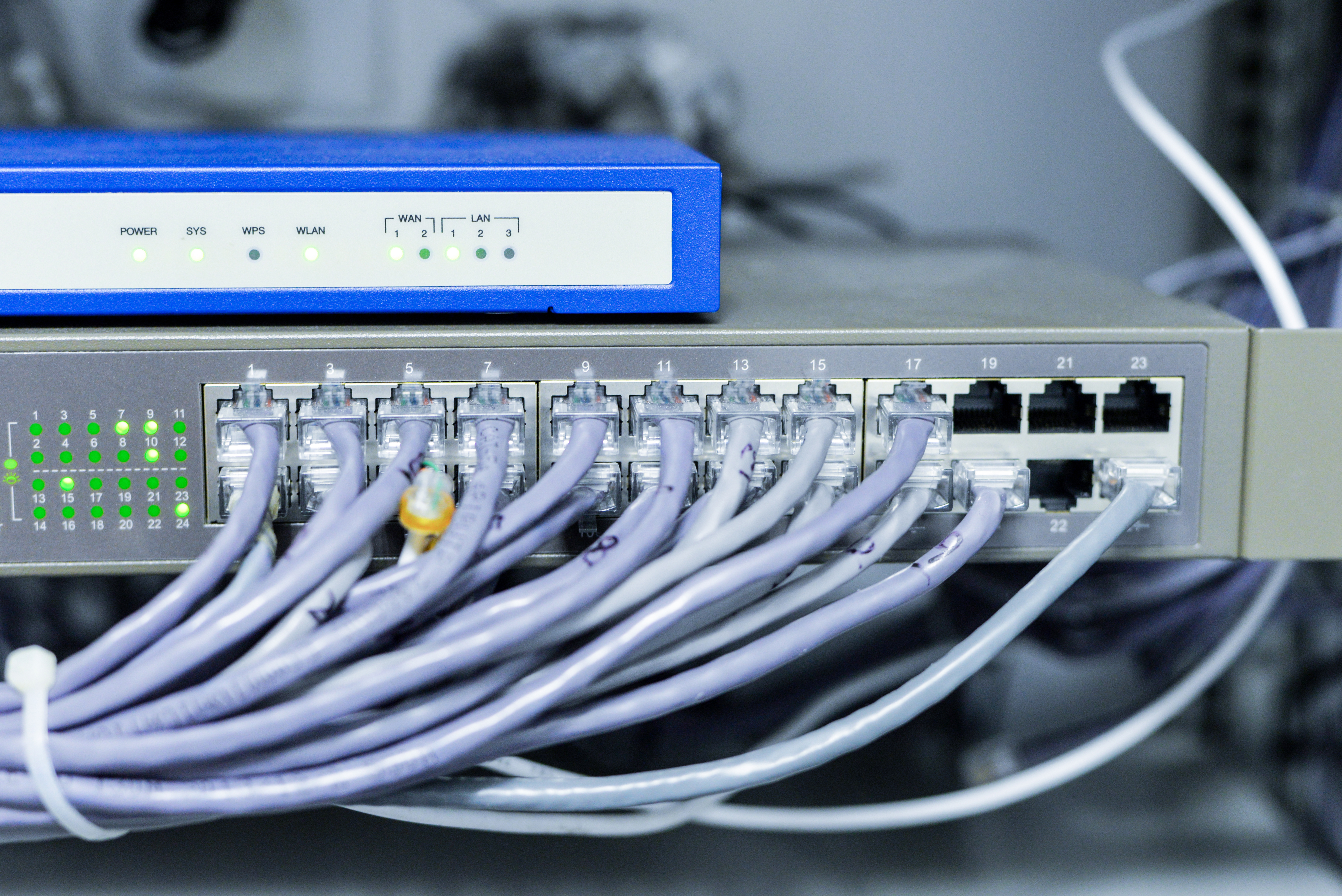
Subnetting isn’t just about numbers — it’s about understanding how attackers move and how defenders isolate them.
2. Why Subnetting Matters in Cybersecurity
| Use Case | Why It Matters |
|---|---|
| Network Reconnaissance | Identifies subnet boundaries when scanning or pivoting. |
| Incident Response | Helps determine which segment was attacked and how it spread. |
| Access Control | CIDR-based rules in firewalls depend on subnetting knowledge. |
| Penetration Testing | Defines scan scope and minimizes detection. |
| Network Defense | Enables segmentation, reducing lateral movement and isolating assets. |
Subnetting is part of the language of networks — and cybersecurity experts must be fluent in it.
3. Key Subnetting Terms
| Term | Meaning |
|---|---|
| IP Address | Unique identifier for a device on a network. |
| Subnet Mask | Defines which bits belong to the network and which belong to hosts. |
| Network ID | Identifies the subnet (first address). |
| Broadcast Address | Used to message all hosts within a subnet. |
| CIDR (Classless Inter-Domain Routing) | Modern addressing that replaced old A/B/C classes. |
4. Subnetting in Action
Let’s analyze a corporate network:
Network: 10.0.0.0/24
You have 8 departments, and each should have its own subnet for security and monitoring.
Step 1: Find the Number of Bits to Borrow
You need at least 8 subnets.
The smallest power of 2 ≥ 8 is 3.
n = 3
Step 2: New Prefix
/24 + 3 = /27
Step 3: Subnet Mask
255.255.255.224
Step 4: Block Size
256 - 224 = 32
Step 5: Subnet Ranges
| Subnet | Network ID | First Usable | Last Usable | Broadcast |
|---|---|---|---|---|
| 1 | 10.0.0.0 | 10.0.0.1 | 10.0.0.30 | 10.0.0.31 |
| 2 | 10.0.0.32 | 10.0.0.33 | 10.0.0.62 | 10.0.0.63 |
| 3 | 10.0.0.64 | 10.0.0.65 | 10.0.0.94 | 10.0.0.95 |
| 4 | 10.0.0.96 | 10.0.0.97 | 10.0.0.126 | 10.0.0.127 |
Each subnet supports 30 hosts — ideal for small departmental segmentation.
5. Cybersecurity in Practice
Imagine you gain shell access on a host with IP 10.0.0.67.
You suspect the network uses a /27 mask.
Block size = 32
10.0.0.67 ÷ 32 = 2 remainder 3
Network ID = 2 × 32 = 64
This host belongs to:
10.0.0.64/27
That tells you the range 10.0.0.64 – 10.0.0.95, helping you perform stealth scans within the subnet.
This is how both attackers and defenders use subnetting to their advantage.
6. Subnetting Formulas You Should Memorize
# Number of subnets
2^n        # where n = number of bits borrowed

# Number of hosts per subnet
(2^(32 - new_prefix)) - 2

# Block size
256 - (last_octet_value_of_mask)
Example:
/27 → Mask = 255.255.255.224
Block size = 256 - 224 = 32
Hosts = (2^(32 - 27)) - 2 = 30
Tip: Memorizing these three lines alone can save you hours during network assessments or CTFs.
7. Visualize and Practice — Try Subnetron
Understanding subnetting theoretically is good.
Visualizing it is better.
That’s why I built Subnetron — an interactive subnetting tool for cybersecurity learners.
With Subnetron, you can:
- Visualize subnet divisions
- Instantly calculate network IDs and broadcast addresses
- Practice subnetting challenges dynamically
8. Final Thoughts
Subnetting connects networking and cybersecurity.
When you understand subnets, you understand structure, attack surfaces, and defense boundaries.
Before diving into pentesting or SOC work, make sure subnetting feels as natural as reading an IP address.
Learn it. Visualize it. Master it — with Subnetron.